


ACTivate History
Because every community has heroes whose stories deserve to be heard.
ACTivate History invites your institution to join a groundbreaking educational initiative that connects students with their communities through the power of oral history.
Our project engages students in documenting the untold stories of local activists and civic leaders, creating both meaningful learning experiences and a lasting global archive of social change.
Help us build a comprehensive global archive of civic engagement stories — preserving local voices that might otherwise be lost to time.
Contact us to learn how your institution can join this growing network of schools and educational institutions documenting the grassroots stories that shape our world. Please email Dr. Martyna Elerian.
Ready to activate history in your classroom?
ACTivate History is an educational initiative that engages students with activism and civic participation through storytelling and historical inquiry.
It invites students to interview older family or community members involved in activism and to contribute these stories to a growing global archive on civic engagement.
The project uses oral history as a powerful educational tool to help students explore, document, and preserve civic narratives from their communities.
It has three core goals:
- Preserve local civic memory by guiding students to document the experiences of activists in their communities — particularly those whose contributions may otherwise be forgotten.
- Deepen students’ understanding of civic life, activism, and history by engaging them in real-world, qualitative research.
- Build a global archive of personal narratives that humanize and contextualize civic movements from the last 50 years.
What will students do?
Students participate in approximately three hours of online training, including tutorials on youth activism, the history of activism, and oral history methodology. With additional 2–3 teaching hours of support from their teacher and classmates, they will then prepare and conduct an interview with a family or community member who has participated in activism. Students will anonymize and upload interview transcripts to the ACTivate History global archive.
Through this process, students will:
- Learn what activism is and how it shapes democratic life,
- Develop research skills including interviewing, transcription, and analysis,
- Connect with older generations through intergenerational learning,
- Build critical and cross-cultural awareness,
- Feel empowered as young changemakers.
What will educators do?
We ask the participating schools and other educational institutions to designate a teacher-coordinator to support implementation. Teachers will receive:
- A detailed Teacher Guide and ready-to-use resources.
- Training and ongoing support from our research team.
We value teachers’ time and understand their busy schedules.
The project is flexible and cross-curricular — easily integrated into subjects such history, civics, language arts, or social studies classes, as well as extracurricular programs.
Understanding the time constraints teachers face, the project is designed to be highly adaptable.
The project has received full ethical approval and strictly adheres to established research ethics standards.
Further insight
 |
 |
 |
ACTivate History in action
Below is our step-by-step guide to completing ACTivate History with your students. It includes tutorials, activities, and example materials created by students who participated in the project.
Please see the ACTivate History Teacher Guide
Phase 1: Exploring the core concepts of activism and its historical role
This section introduces students to activism as a driving force of social change. Activism is not limited to famous figures or global movements—it includes everyday people standing up for justice in their communities. From civil rights and anti-colonial struggles to youth climate strikes and campaigns for education or gender rights, activism has been a key part of shaping more just and democratic societies
Watch the tutorials ‘What is Activism’ and ‘What is Youth Activism.’
You can find accompanying activities here.
The following video highlights the importance of activism throughout history and shows how collective action has driven meaningful social change. It explores how ordinary individuals, working together, have challenged injustice and influenced political, social, and cultural transformations. By connecting past movements to present-day activism, students understand why civic engagement remains essential in shaping fairer societies today.
After watching the video, students are invited to complete the following activities to reflect on what they have learned: Global Activist Movements Timeline Activity.
There are some examples of students’ works about the topic:
| Video. Here is an example made by Cleo from Singapore: | |
| Poster. Here is an example made by Rupert from Spain: |  |
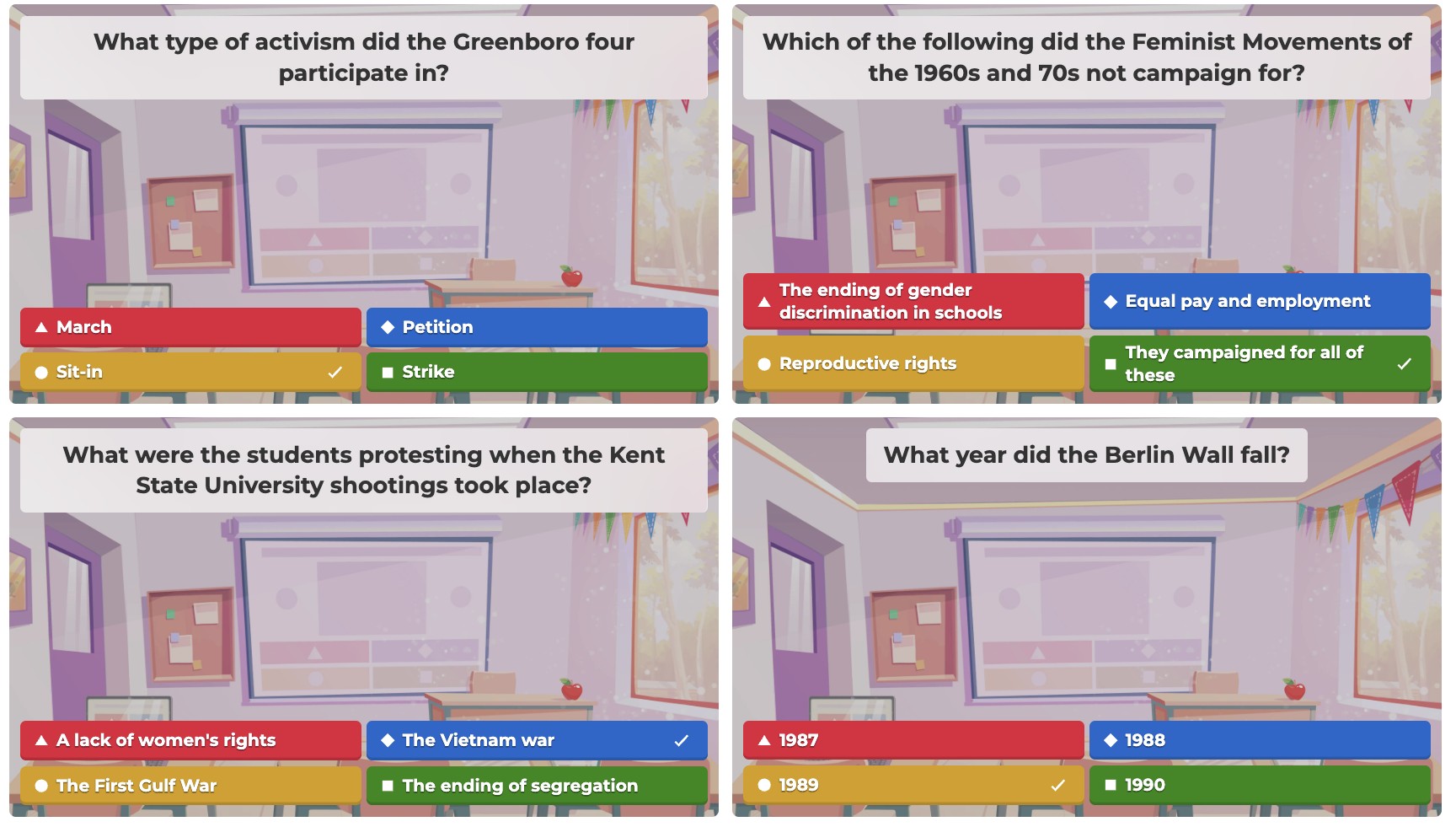
| Game/quiz. Here is an example made by Acen from Bulgaria:
You can also find additional links to games and quizzes created by our participating students here. |
 |
Phase 2: Research your community
To understand the context of a historical event related to their interview, students will draw on their existing knowledge as well as conduct additional research. A deeper contextual understanding is essential for conducting an effective interview. Students can then present their findings in a variety of formats, such as posters or presentations.
Read the ACTIVITY guide and watch the video below:
Below are some examples of presentations and posters made by students who participated in the project.

Activism in Bahan, Myanmar (by Crystal, Mayanmar) |
Activism in Azerbaijan (by Afak, Azerbaijan) |
|
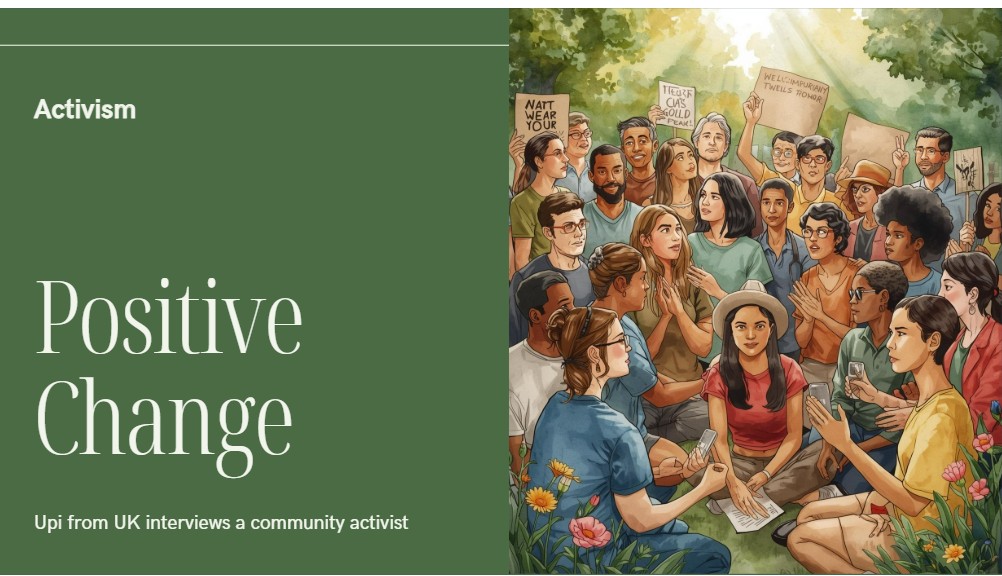
The Story of Vitaliy Kalynychenko (by Upi, UK) |
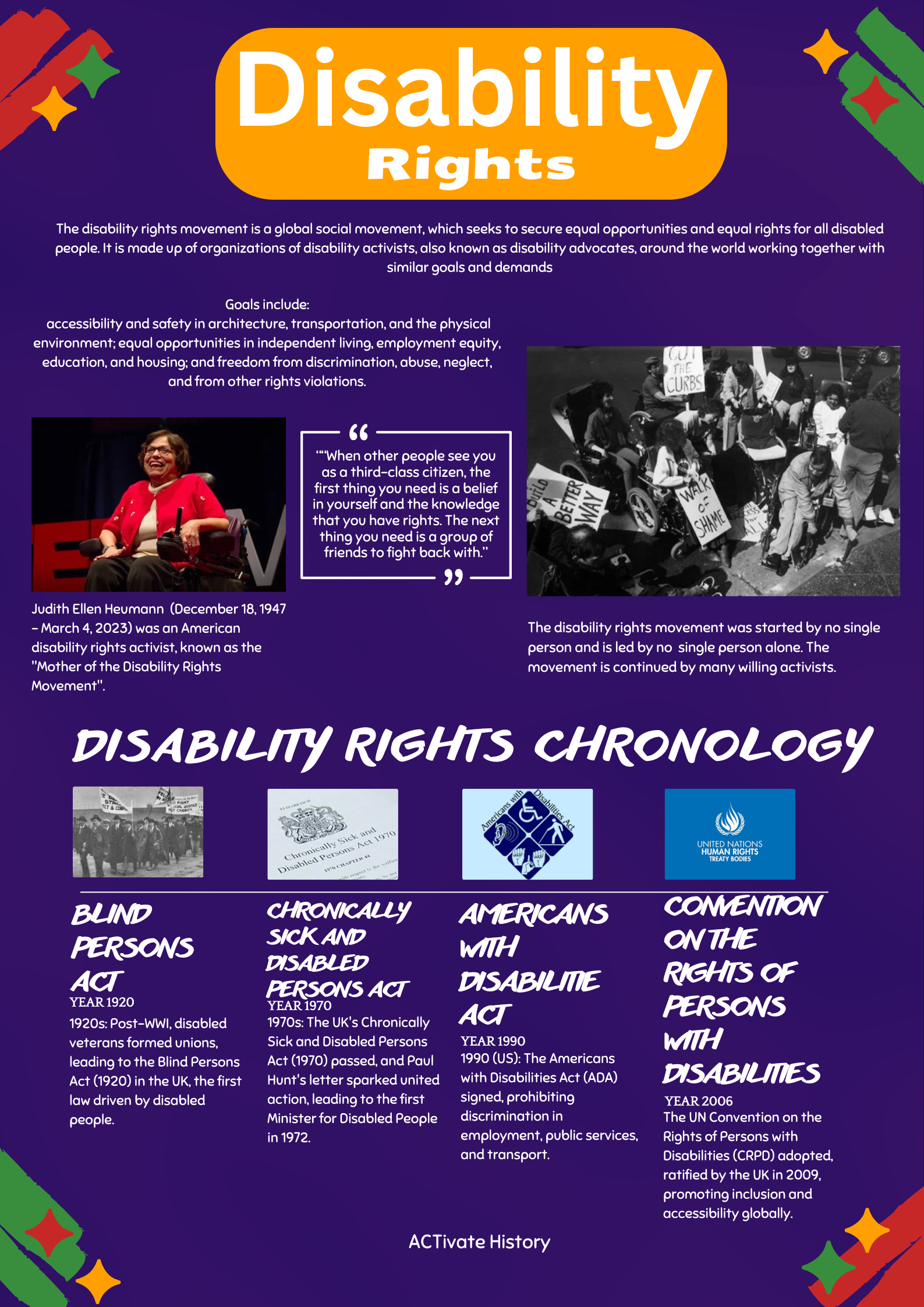
Disability rights (by Mat, Spain) |

Phase 3-4: Preparing for and conducting the interview
In this section, students will learn how to gather firsthand knowledge by interviewing individuals who have played a role in shaping their community through activism. Through this process, they will develop key investigatory and interpersonal skills by composing effective, open-ended questions, practicing interviewing techniques, and conducting and documenting an oral history interview.
Our ACTivate History Teacher Guide, Phase 3, provides detailed instructions on how to help students find an interviewee, create and ask effective questions, and address sensitive and ethical considerations.
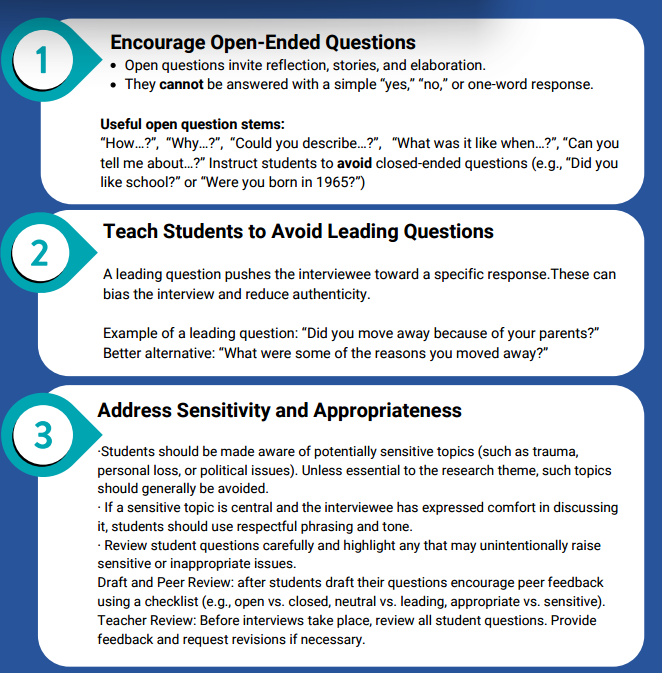


The following checklists and guides can help guide students as they prepare for and carry out their interviews:
 |
 |
| Interview Preparation & Conduct Worksheet | Conducting the Interview Ethics Checklist |
Phase 5: Transcribing the interview

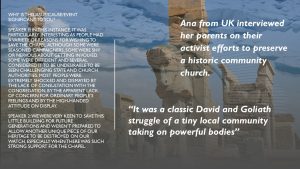
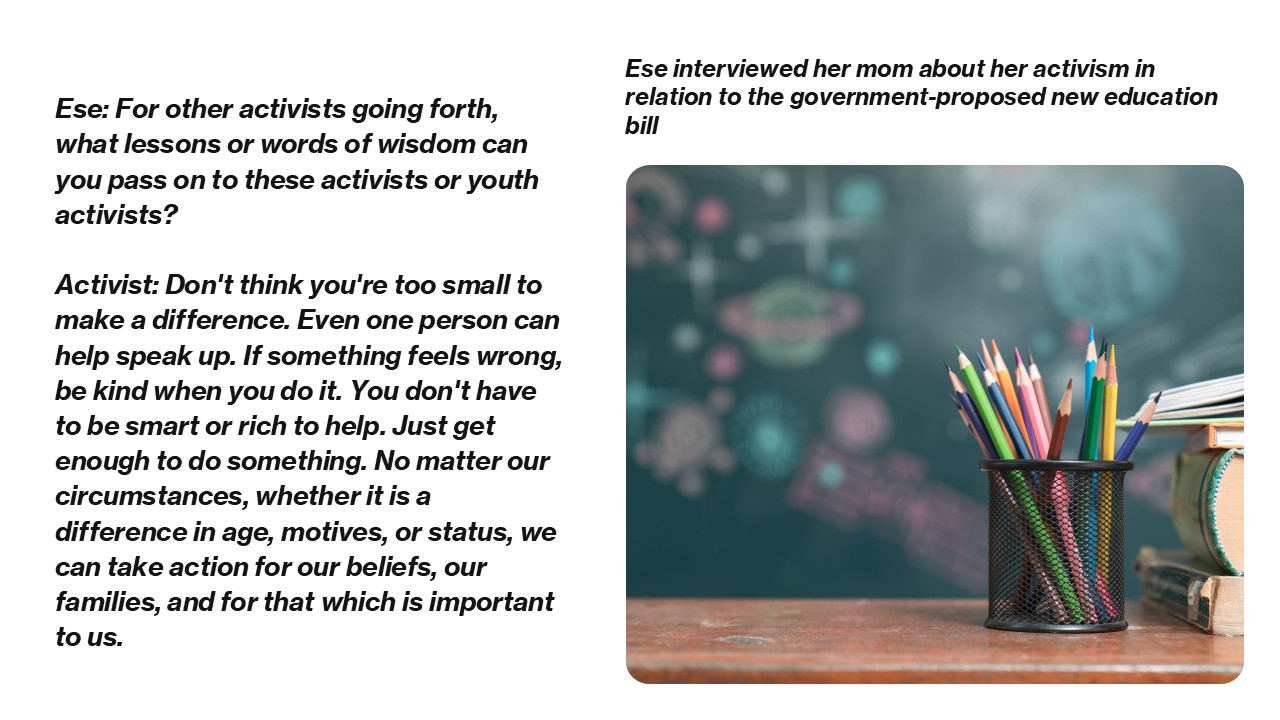
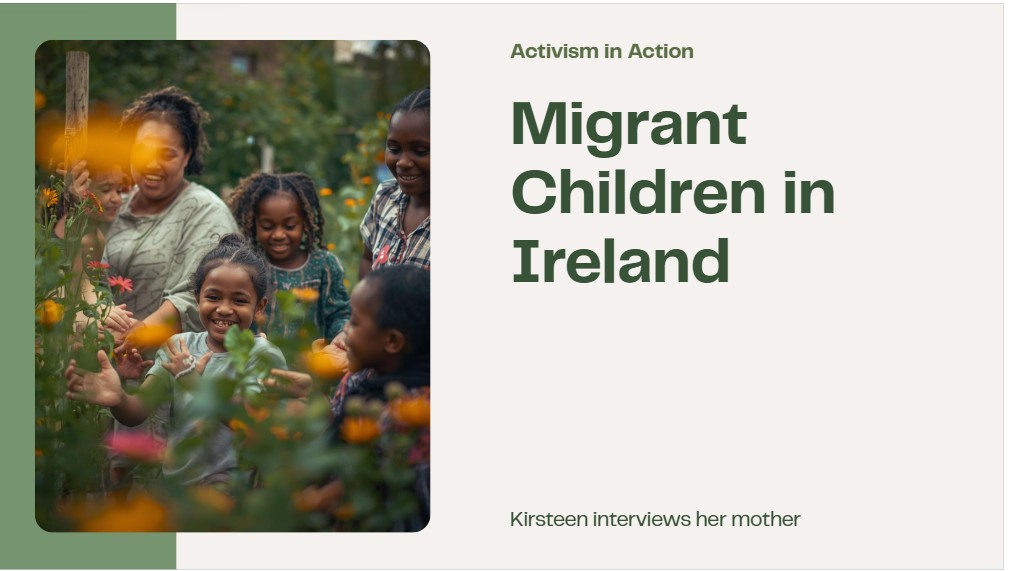
Examples of transcripts:
|
|
|
|

|
|
Phase 6: Analysis and reflections


